← Secret 7
7,1 Strength and Shadows 7,2 SGL Gold Circle 7,3 Team Energy
Not read

Secret 7,1 · Relations / Results · Personal Chemistry

Strength and Shadows

Humans are pack animals, and always have been. Opposites attract, like seeks like, and birds of a feather flock together — and in the end, success comes down to the chemistry that binds people together.

Several hundred small birds strung out in one loose, wide drift across an empty sky that shades from pale gold to deep amber, with no horizon and no ground in the frame.
Birds of a feather flock together — the last of the three sayings above, and the only one that is about birds.

The bridge to success

Knowing everyone’s Key Performance Role

Facts

Humans are pack animals, and have always sought together in families, tribes, and nations. Within each group — “opposites attract”, “like seeks like”, “birds of a feather flock together” — people have naturally formed friendships and alliances. These bonds can be strong and long-lasting. In traditional organisations with clear hierarchies, such alliances often appeared as sub-groups known as “games”, “families”, “camaraderie”, or “secret boys’ clubs”.

Feelings

In today’s global society, the hidden power plays out in encrypted echo chambers, or is exposed through platforms like LinkedIn and the like. In project-based organisations, this is not only accepted but expected: personal networks are the real key. Trust-based alliances cut across formal structures, bringing people together to get things done. In the end, success often comes down to “knowing someone who knows someone” — and to the chemistry that binds people together.

Forecast

In a world where AI screens résumés and tests your skills, the real test begins face to face. That is when you must show who you truly are — because the systems already know everything else. In those moments, bridges built on trust, competence, and respect decide whether opportunities open or close. The future belongs to those who want a lot, and who accept change, build bridges, and grow strong networks.

Hands on a laptop keyboard in a dim room, a network of glowing points and connecting lines projected in the air above the screen.
The encrypted echo chambers below, drawn as what they are: a network of who reaches whom.

Key questions

Are you Warrior or Helper?

  • Role? Rescuer / Helper (Strength and Shadow functions).
  • Language? Dominant natural “Communication colour”.
  • Decisions? Colour risk profile / practice in difficult decision-making situations.
  • Focus? Your Basic Values and preferred ethical model.

Very long experience (in various large companies) with SGL tools in cooperation with Jan P Hagberg, my mentor. The tools have been very useful in my HR leader career in both private and public sector.

Steinar Bakken · SGL-Ambassador

Ancient secrets

Role Models in Genetics

The key to the ancient secrets becomes clear once you begin to see them. It’s about inheritance and environment, which until recently were viewed as a 50/50 chance. However, the growing exploration of the significance of genetics and life conditions is transforming our understanding. To our surprise, we are uncovering hidden insights in ancient wisdom that we have long overlooked. This has profound implications for our perception of who we are and why we become who we become. It also reshapes our view of class differences and class struggle, along with our ability to create a “paradise” on earth.

In short, the concept of “destiny” is once again relevant as an explanation for who we are. But let us not lose hope. Even if you were conceived and born with certain traits beyond your control — YOU still have the opportunity to become the best version of yourself. That is the essence of these secrets: Be who YOU are! To truly develop yourself, you must first know yourself before you can influence and shape others. So, let us begin by exploring the ancient stories to understand what they reveal about our lives, here and now.

Archetypes

The Secrets of Chess

There is something archetypal about the game of chess. This means that it has engaged, and continues to engage, Hindus, Muslims, Christians, Buddhists, and atheists worldwide. The whole thing is a mystery unless one seeks the “history within history” of its success — why is it so? The connections to India and Hindu culture are well known. Most now acknowledge that chess can be traced back to India around 500 AD, or at the same time as the Tantra movement in the Hindu religion. This phenomenon was made very clear in the logo of the Chess World Championship in London in the autumn of 2018, where the chessboard was integrated into a typical tantra position — to the delight of many, and the outrage of others.

Think of chess pieces as symbols of who you are. Your personality, which is how you usually act, feel, and think, is mostly due to your genes from your family. These genes are chosen randomly when your mum and dad had you. Your interests and talents are also due to these genes, when you were just a foetus. Imagine life as a game of chess: what if you behaved or thought like a particular chess piece? Let us explore this SGL idea a little further.

Intro film coming

The place for this secret’s intro film is reserved here. It fills in when the recording arrives.

Leadership

Chemistry Beats Everything

There’s an old saying: “Show me the manager, and I’ll show you the department.” The same holds true for political committees, project teams, and organisations of every kind. The leader sets the tone — values, goals, workplace culture, and results all flow from that one person.

So, who should the leader be? First of all, someone qualified — both professionally and personally. But competence alone is not enough. The leader must burn for the task, whether it is running stable operations in a “whale organisation”, or driving continuous innovation in a “flock of birds” organisation · Secret 3,1 · Double-Loop-Learning

Within this landscape, four leadership profiles stand out. The Warriors — Rook and Knight — thrive in production and transformation settings, where survival depends on strength and strategy. The Helpers — Bishop and Pawn — complement them. Bishops support Knights by creating trust, relationships, and smooth communication. Pawns, on the other hand, act as finishers and doers, ensuring concrete results through structure and discipline.

Each of these profiles carries two faces: a Position Profile (F) or a Competence Profile (B) · Secret 2,3 · Flow and Teams — revealing what the leader truly prefers to work with. Interestingly, the ideal partner is almost always the person with whom they also have the best personal chemistry, which means those who share their axis, and balancing out each other’s shadows.

Personal chemistry and group chemistry depend on the exchange of strong qualities. That is why the Strength / Shadow axis is so important. When one complements the other, the interaction becomes exciting and good. A “compass” for orienting yourself can be as follows.

The four profiles

Colour, axis and function

Read each one slowly, and notice which colleague you’re drawn to — that’s the homework below.

A single black chess rook standing alone against a plain white background, lit evenly so its straight sides and square top are clear.
The Rook. Straight lines, and no diagonal available to it.
Rook / Blue / Warrior

I am usually rational and think with my head. I tend to see either the big picture or the details, but not both at the same time.

Ideal partner: yellow colleagues who bring enthusiasm and closeness, acting as diplomats with team qualities I may lack because I’m too focused on action.

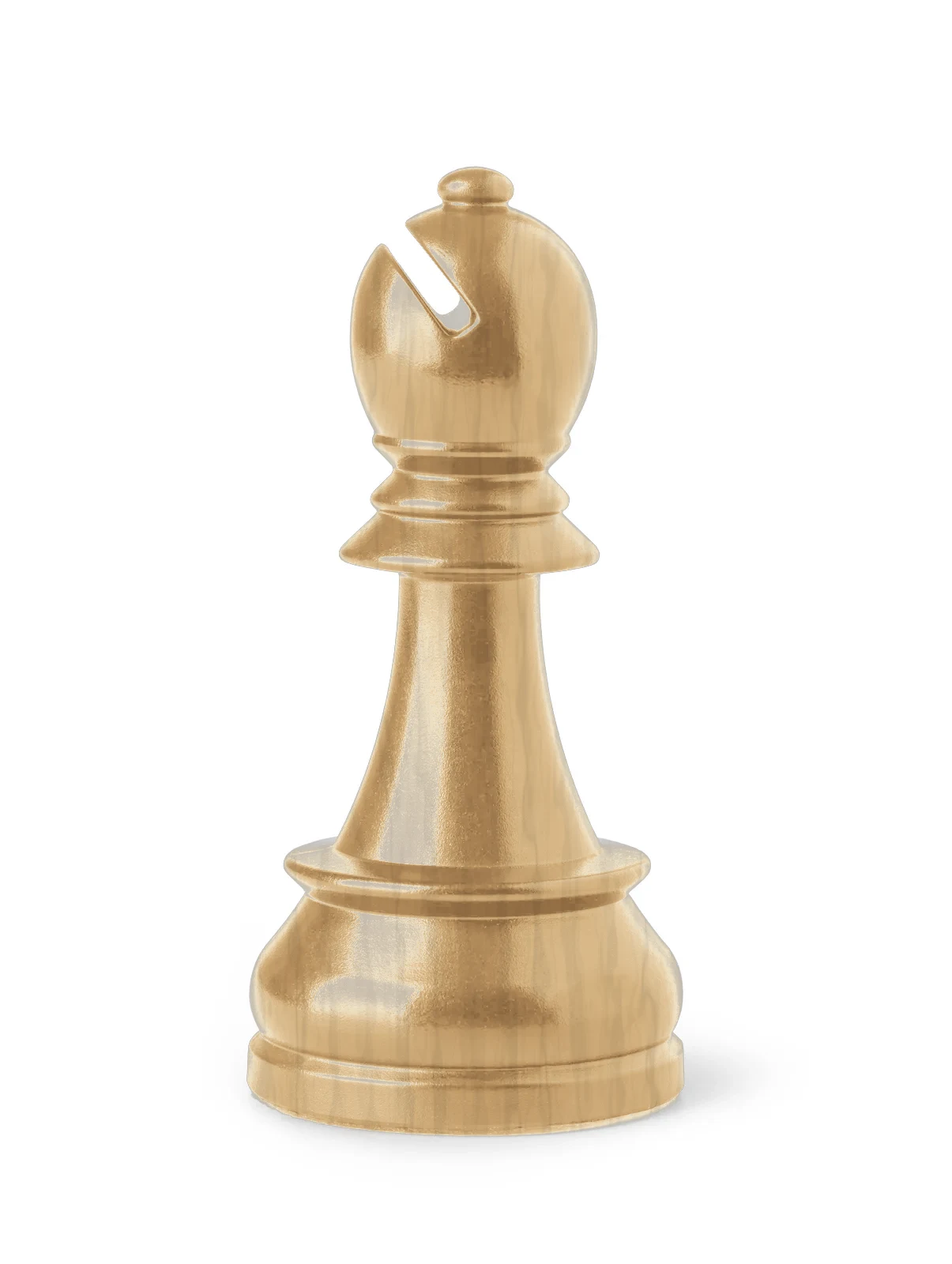
A single black chess bishop standing alone against a plain white background, the mitre notch cut across its head.
The Bishop. Diagonals only — it never leaves the colour it started on.
Bishop / Red / Helper

I am usually social and think with my heart. I look for renewal and welcome new ideas.

Ideal partner: purple visionary colleagues who see the future arrive. I’m inspired by their creative solutions and their ability to be ahead of their time.

A single black chess knight standing alone against a plain white background, carved as a horse's head turned to one side.
The Knight. The only piece that jumps what is in the way.
Knight / Purple / Warrior

I am often intuitive and an innovator, and sometimes like a rebel — unorthodox, individualistic, and critical of systems.

Ideal partner: red colleagues who are changemakers and idealistic, able to bring ideas into the here-and-now situation.

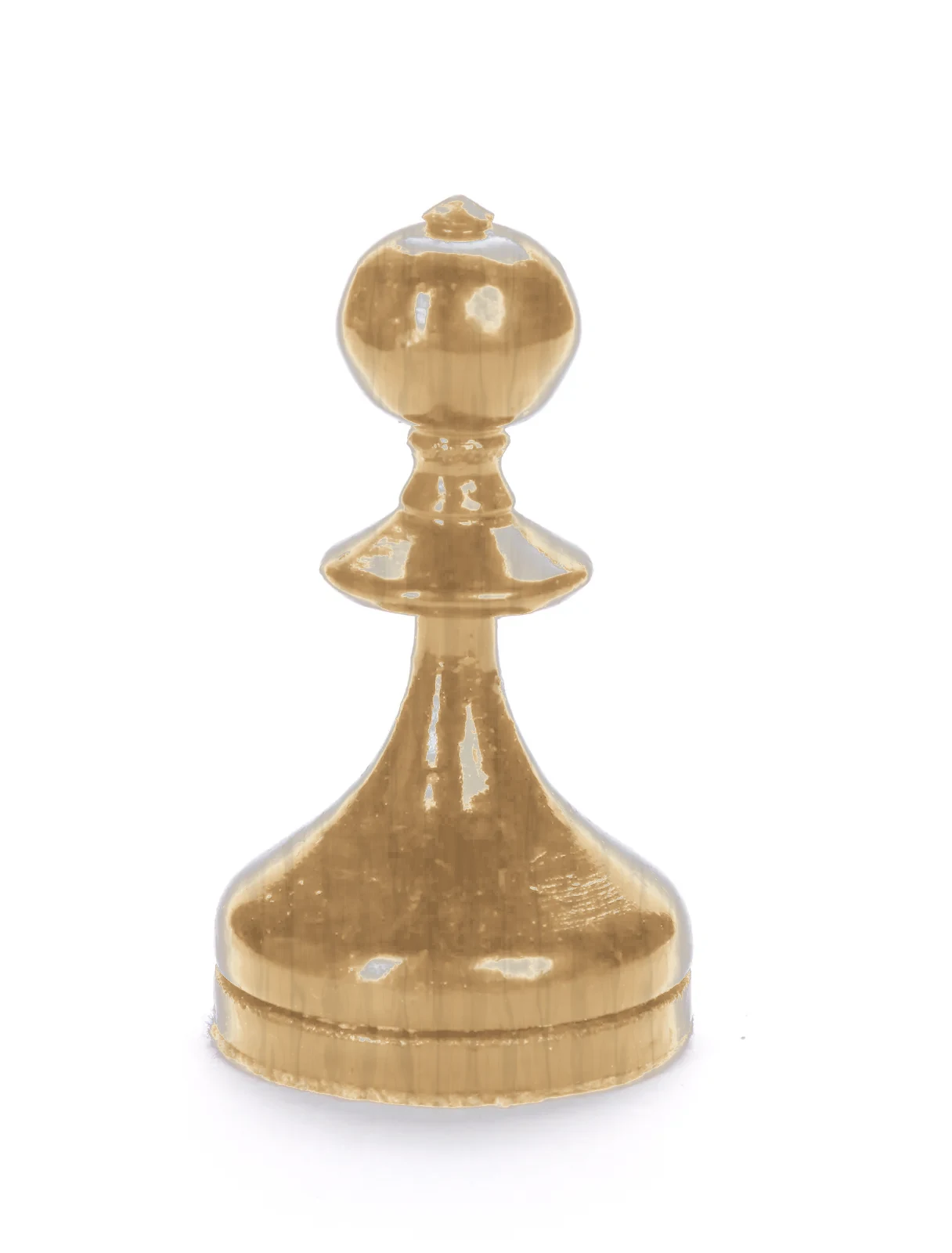
A single black chess pawn standing alone against a plain white background, its round head and wide collar catching the light.
The Pawn. One square at a time, and the only piece that can become another.
Pawn / Yellow / Helper

I usually act from my gut. Sometimes I appear structured, other times more open, creative and imaginative.

Ideal partner: blue structured colleagues who need my help to analyse, organise, and carry out reforms they support.

The secret chemistry above is the subject of Secret 7,2 — SGL Gold Circle.

An open notebook and two sharpened pencils on a dark desk under the pool of light from a lamp, the page still blank.
The exercise wants a pen and paper, not a keyboard.

Your turn

Home Lesson 7,1

Find your favourite colleague here.

  • Read through the descriptions slowly, and get a feel for the colleagues you like.
  • Compare your results with the Team Profiles in Secret 6,3.
SGL Secrets — For those who are in need, and those who want a lot!

Next lesson

Lesson 7,2: SGL Gold Circle

Continue to 7,2 →